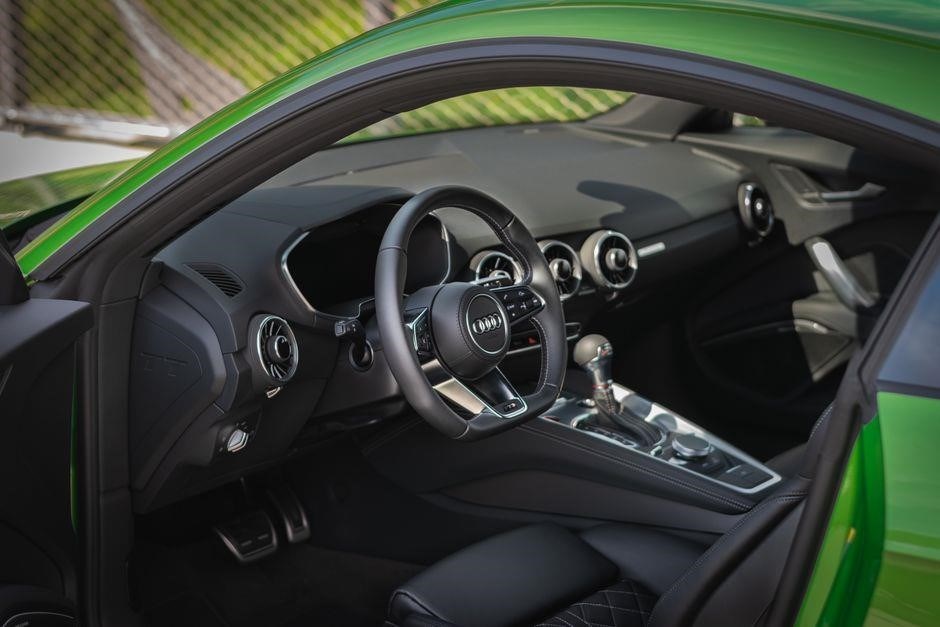




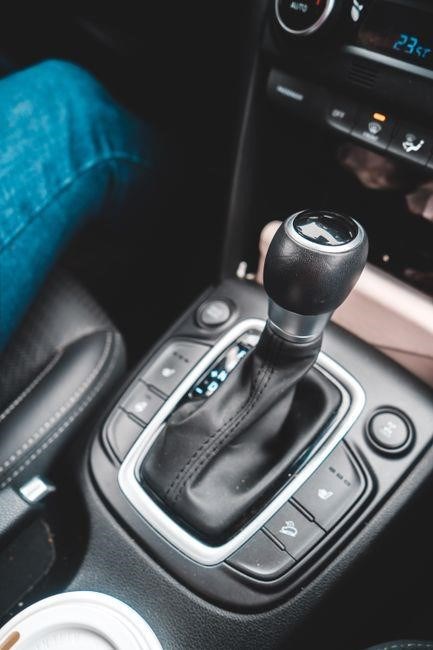
Paddle shifters and manual gearboxes both offer driver control, yet differ in operation. Shifters use electronic actuators for quick, seamless changes, while manuals rely on clutch engagement and gear lever mechanics. Understanding their nuances informs choice. Enjoy more.
What Are Paddle Shifters?
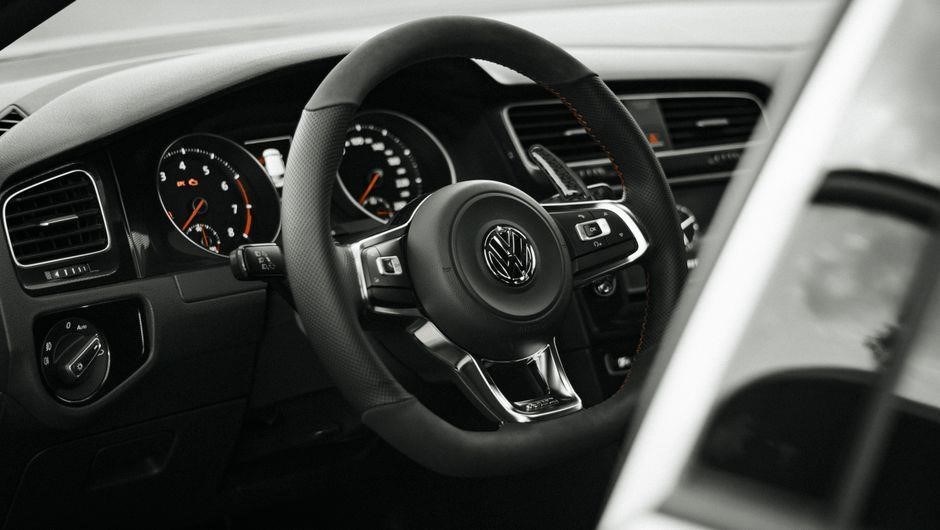
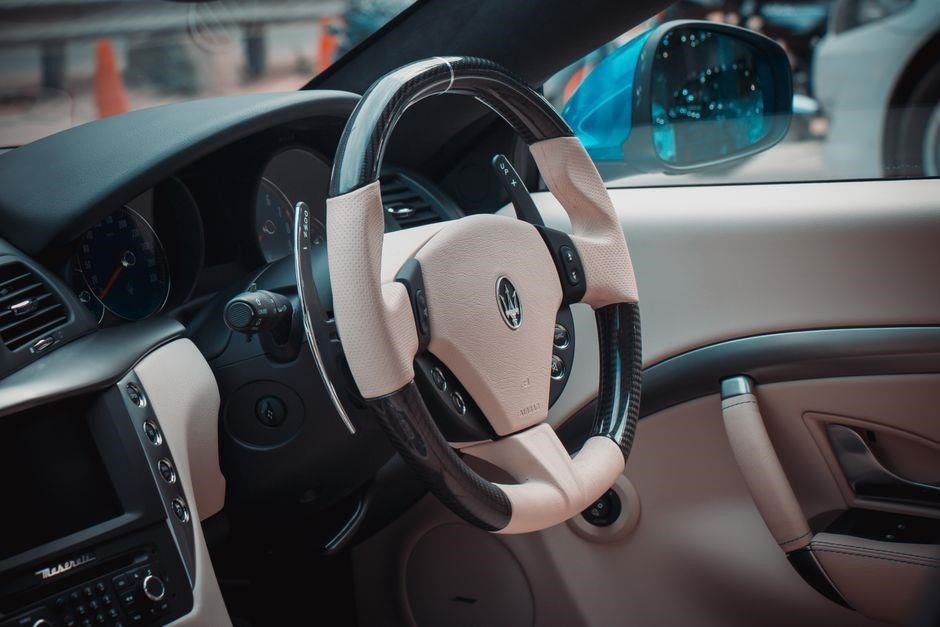
Paddle shifters, often called flappy‑paddle gearboxes, are electronic actuators mounted on the steering column that let drivers change gears without a clutch pedal. When a driver pulls the left paddle, the system down‑shifts; pulling the right paddle up‑shifts. The mechanism uses a small electric motor to move a selector fork inside the transmission, sending a signal to the control unit which then engages the desired gear. Because the actuation is controlled electronically, shifts can be executed in a fraction of a second, giving a smoother and faster response than a manual lever. The design also frees the driver from the need to coordinate clutch and gear lever, making the driving experience more approachable in heavy traffic while still offering the engagement of a manual‑style interface. Many modern performance cars, from the 1990s onward, have adopted paddle shifters to combine the tactile feel of a manual with the convenience of an automated system. They are especially popular in racing and road cars where rapid gear changes can improve lap times and acceleration. While the technology is new, the concept has roots in early manual gearboxes, and it has evolved into a hybrid solution that blends electronic precision with familiarity. In practice, paddle shifters provide a bridge between the tactile feedback of a clutch and the speed of an automated system, making them a compelling choice for drivers and enthusiasts. Manufacturers have refined the technology to reduce lag, improve reliability, and integrate with traction control, ensuring that gear changes feel natural even under load—and smooth!
What Is a Manual Transmission?
A manual transmission, also known as a stick shift, is a gearbox that requires driver input to change gears. The system consists of a clutch pedal, gear lever, and a set of gears arranged in a planetary or H‑shaped layout. When the driver depresses the clutch, the engine’s torque is disconnected from the gearbox, allowing the driver to select a gear by moving the lever. The lever’s position engages a selector fork that pushes a gear into mesh with the input shaft, transmitting power to the driveshaft. Manual transmissions offer direct mechanical linkage, giving drivers precise control over engine speed and torque. The driver can choose the optimal gear for acceleration, cruising, or hill climbing, and can down‑shift to increase engine braking. Because the system relies on mechanical engagement, it is typically lighter and more efficient than many automated units, resulting in better fuel economy in some cases. However, manual gearboxes require coordination between clutch release and gear selection, which can be challenging in heavy traffic or for novice drivers. Historically, manual transmissions dominated the automotive market until the late 20th century when automatic and semi‑automatic systems rose in popularity. Today, many enthusiasts still prefer the tactile feedback and engagement that a manual gearbox provides, especially in performance and classic cars. The simplicity of the design also makes it easier to repair and modify, contributing to its enduring appeal among hobbyists and racing teams alike. Its simplicity also appeals to mechanics!
Historical Development
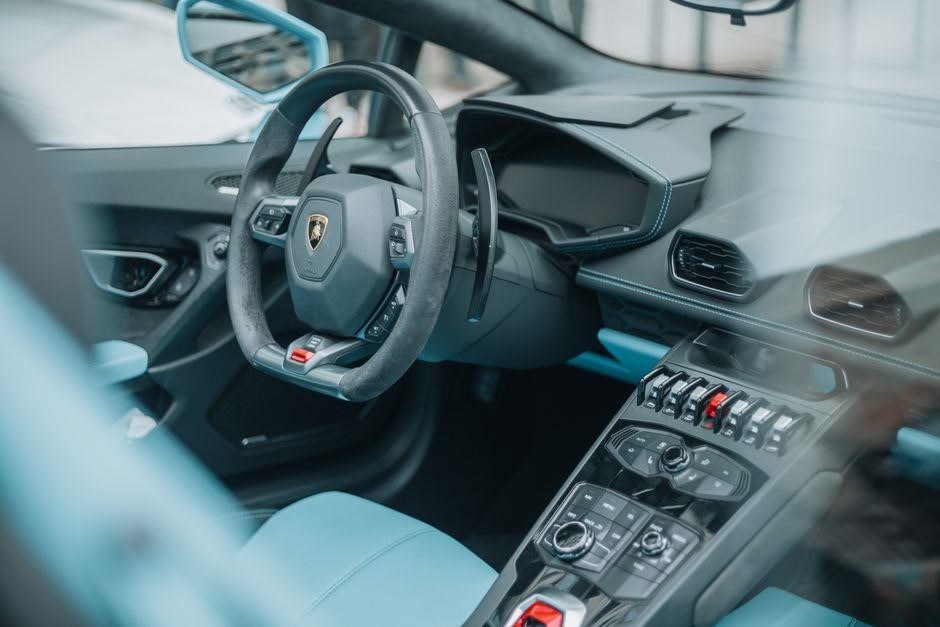
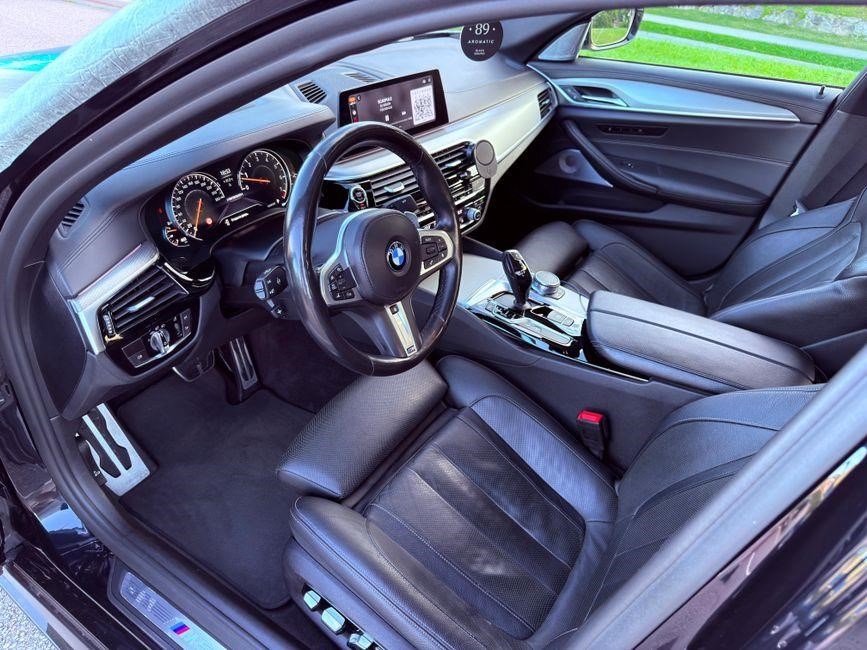
From early gearboxes to modern electronics, paddle shifters evolved alongside automotive tech. First appeared in 1990s race cars, then mainstream by early 2000s. Their rise mirrors demand for performance and driver engagement. Their integration into mass‑produced models accelerated adoption!!
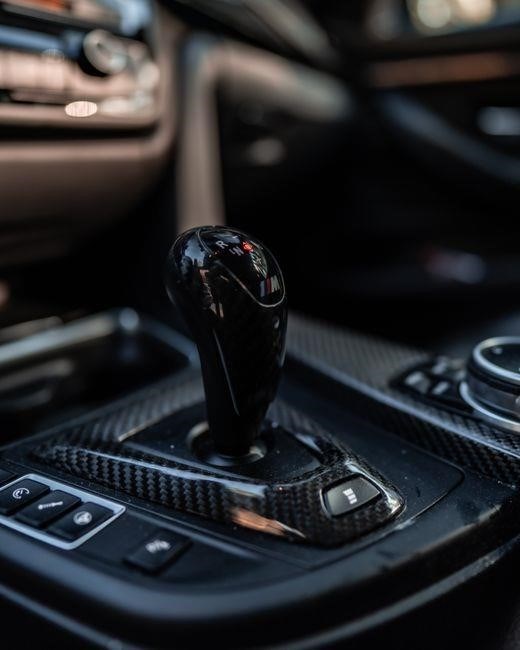
Early Manual Gearboxes
Manual transmissions trace back to the 19th‑century steam‑powered vehicles, where gear ratios were manually selected via a lever. The first true automotive gearbox appeared in 1903, featuring a simple three‑speed layout and a clutch pedal for disengagement. Early designs relied on gear teeth engagement, requiring precise alignment and robust materials to withstand torque. Engineers experimented with different gear ratios to balance acceleration and top speed, often favoring a low first gear for hill starts and a higher top gear for cruising. The introduction of synchromesh in the 1920s reduced gear clash, allowing smoother shifts without a clutch in some models. However, the majority of early cars still required a manual clutch pedal, making driving a physically demanding skill. Production volumes were limited, and gearboxes were custom‑made for each chassis, leading to high costs and varied performance. Despite these challenges, manual gearboxes became the standard for performance and racing vehicles, as they offered direct driver control over gear selection and engine load. The evolution of materials, such as the transition from cast iron to lightweight alloys, improved durability and reduced weight, enabling higher power outputs. By the mid‑20th century, the manual gearbox had become a hallmark of automotive engineering, symbolizing driver engagement and mechanical mastery.
This legacy endures, inspiring modern designs that blend tradition with innovation.!!!??
Emergence of Paddle Shifters in the 1990s
In the early 1990s, automotive manufacturers began integrating electronic paddle shifters into high‑performance models, aiming to combine manual control with automated precision. The first widespread adoption occurred with the 1995 Porsche 911 Carrera RS, which featured a dual‑clutch gearbox linked to rear‑hand paddles. This system allowed rapid gear changes without clutch pedal engagement, preserving driver engagement while reducing shift times. Subsequent years saw the technology spread to Ferrari, McLaren, and BMW, each refining the interface and adding features such as selectable modes (manual, semi‑automatic and fully automatic). The 1998 introduction of the dual‑clutch transmission (DCT) by Porsche marked a pivotal moment, as the system could shift faster than a human could, yet still offered a manual feel through paddles. Manufacturers leveraged advances in microcontrollers, hydraulic actuators, and sensor arrays to deliver seamless, torque‑controlled shifts. The 1999 launch of the Audi S4’s paddle‑shifted DSG (direct‑shift gearbox) further popularized the concept, proving that paddle shifters could coexist with everyday driving. By the early 2000s, the technology matured, and consumer demand for performance and convenience drove its inclusion in mainstream models, ultimately redefining the driver‑vehicle interface for a new era of automotive engineering. This evolution illustrates how driver‑centric technology can coexist with efficiency, shaping the future of automotive design.!!!
Technical Comparison
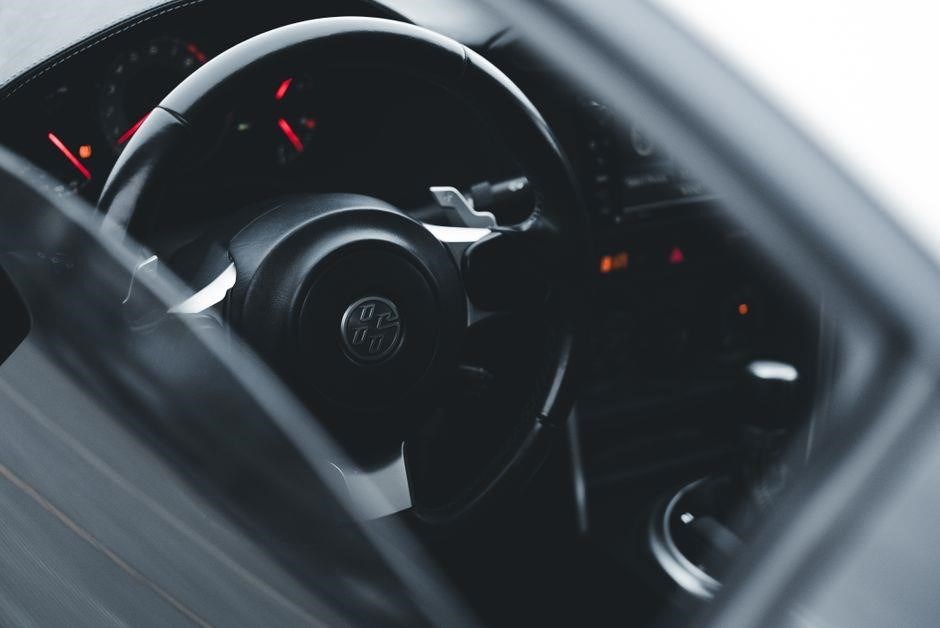
Paddle shifters use electronic actuators for rapid, clutchless gear changes, while manual gearboxes rely on clutch engagement and mechanical linkages. Shifters offer faster, smoother transitions, but manuals provide tactile feedback and mechanical simplicity. Enjoy!!!!
Mechanics of Paddle Shifters
Unlike a traditional clutch‑driven gearbox, paddle shifters use a compact electronic actuation system behind the steering wheel. Pulling a left or right paddle sends a signal to the engine control unit (ECU), which commands a hydraulic or electro‑hydraulic actuator to move the gear selector link. The actuator bypasses the clutch, allowing gear changes while the engine stays engaged, eliminating the need for a separate clutch pedal and reducing shift latency to milliseconds.
The core of the system is a sensor‑driven gear‑selection module that monitors engine speed, throttle position, and vehicle speed. The ECU determines the optimal gear ratio for performance or fuel economy. Once the shift point is identified, the ECU sends a command to the actuator, which pulls or pushes the selector shaft to engage the next gear. Because the actuator operates electronically, the shift is smoother and more consistent than a manual lever, which depends on driver timing and clutch engagement.
Paddle shifters integrate with traction and stability control. During aggressive acceleration, the system can pre‑select a higher gear to prevent wheel spin, while in low‑speed situations it can lock the clutch to avoid stalling. The electronic interface allows quick re‑engagement if a driver inadvertently disengages the clutch, providing a safety net absent in purely mechanical systems.
Overall, the paddle‑shift architecture offers precision, speed, and driver convenience, making it popular in modern high‑performance and luxury vehicles. Drivers appreciate the tactile feedback and the ability to fine‑tune gear selection during spirited drives!
Mechanics of Manual Gearboxes
Manual gearboxes rely on a clutch pedal, gear lever, and a set of synchronizers to shift gears. When the driver depresses the clutch, the input shaft disengages from the flywheel, allowing the gear selector to move the selected gear’s synchronizer ring into mesh with the corresponding gear teeth on the output shaft. The synchronizers use friction material to match rotational speeds before engagement, preventing gear clash. Synchronizers use friction material to match rotational speeds before engagement, preventing gear clash. The driver’s timing and clutch release rate determine shift quality; a well‑tuned clutch can provide smooth, precise gear changes, while a worn clutch may cause grinding or incomplete engagement. The mechanical linkage between the gear lever and the shift fork is typically a cable or rod system, which translates the driver’s motion into gear selection. Because the system is purely mechanical, it offers tactile feedback and a sense of control that many enthusiasts value. However, the need to coordinate clutch release with engine speed introduces a learning curve and can be less efficient in heavy traffic. Modern manual transmissions may include lightweight materials and improved synchronizer designs to reduce shift effort and improve durability. The overall design emphasizes reliability, durability, and driver engagement, making manual gearboxes a staple in performance and classic cars alike; Enjoy more.
Shift Speed and Precision
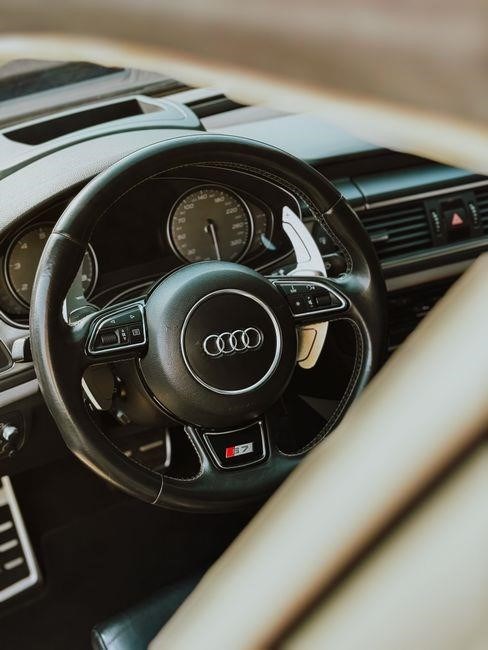
Paddle shifters offer near‑instant gear changes via electronic actuation, completing a shift in roughly 0.1–0.2 seconds. The system bypasses the clutch, allowing the driver to keep engine speed constant while the transmission reconfigures, which is ideal for racing or spirited driving. Manual gearboxes, on the other hand, require clutch engagement; the driver must depress the clutch, match engine speed, and then release it, resulting in shift times of about 0.3–0.5 seconds, depending on driver skill and vehicle design. Precision differs as well: paddle shifters provide consistent, ECU‑set shift points, reducing variability, whereas manual shifts depend on driver judgment, leading to slight timing differences. The tactile feedback of a manual lever offers situational awareness, letting the driver feel engine load changes, a nuance that many enthusiasts value. For those prioritizing rapid, repeatable shifts, paddle shifters excel; for those who enjoy the hands‑on feel and the skill involved in clutch control, manual gearboxes remain appealing. Ultimately, the decision hinges on whether speed and consistency or driver engagement and feedback are more important. In practice, many modern sports cars blend both technologies, offering paddle shifters as a driver‑selectable mode while retaining a conventional manual for purists, thereby delivering the best of both worlds. Such hybrid setups give drivers flexibility w/o compromising a feel.
Performance Impact
Paddle shifters enable rapid, seamless gear changes, boosting acceleration and power delivery. Manuals require clutch engagement, slightly delaying shifts. Drivers using paddles often experience smoother, more consistent performance, especially in high‑RPM scenarios. and throttle response full.
Acceleration and Power Delivery
When a driver pushes the accelerator, the transmission must shift at the optimal moment to keep the engine within its peak torque band. Paddle shifters, controlled by an electronic interface, can execute a gear change in as little as 30 ms, often before the driver’s foot has fully released the throttle. This rapid response keeps the engine operating near its most efficient RPM range, allowing a car to accelerate from 0 to 60 mph in a fraction of a second more than a comparable manual setup. The absence of a clutch lever means there is no momentary loss of power during the shift; the torque is transferred almost instantaneously, preserving the momentum that a manual clutch engagement would otherwise interrupt.
In contrast, a manual gearbox requires the driver to disengage the clutch, shift, and re‑engage. Even a highly skilled driver will experience a brief dip in torque output, typically 50–100 ms, during the clutch slip. While modern manuals have improved with faster clutch releases and smoother gear selectors, the inherent mechanical sequence still introduces a small lag. Consequently, on a drag strip or in spirited driving, paddle shifters consistently deliver a tighter launch and a more linear power curve, translating to higher top‑speed potential and better lap times. However, the difference in everyday driving is subtle; the human factor and vehicle dynamics often outweigh the milliseconds gained by electronic shifting. Thus, while paddle shifters provide a measurable acceleration advantage in performance‑centric scenarios, the overall power delivery remains largely comparable between the two systems when operated by an experienced driver.
The synergy between electronic shifting and engine management ensures that paddle shifters maintain peak power output across all gear ratios, giving drivers a consistent and predictable acceleration profile.
Driver Control and Engagement
In a manual gearbox, the driver’s hands and feet are directly involved in every gear change. The feel of the clutch pedal, the resistance of the gear selector, and the audible click of the gear lever provide immediate tactile feedback. This physical interaction creates a sense of ownership and mastery that many enthusiasts value. Paddle shifters, while offering a quicker shift, rely on an electronic interface that can feel less “alive.” The absence of a clutch lever and the smooth, almost silent actuation of the paddles can reduce the sensory cues that signal gear position, making the driving experience feel more automated.
In high‑speed racing, the ECU pre‑selects the optimal gear using real‑time data, letting the driver focus on line choice instead of clutch timing. This cuts cognitive load and yields smoother corner exits. A manual driver must still monitor the tachometer and anticipate the correct shift point, which can be mentally demanding during spirited driving.
Ultimately, the choice between paddle shifters and manual gearboxes hinges on personal preference. Enthusiasts who relish the tactile feel of a clutch and gear stick find the manual experience more immersive. Others appreciate the simplicity of paddles, especially in congested traffic where quick, seamless shifts are advantageous. The decision reflects the driver’s desire for either hands‑on involvement or electronic efficiency.
Choose by preference!
Fuel Efficiency and Emissions
Paddle shifters enable smoother engine load, reducing idle time and improving mpg. Manuals demand clutch engagement, often causing brief power loss. Emission tests show paddle systems slightly lower CO₂, but differences are marginal. Gains are modest.!Now.
Comparative Fuel Consumption
Comparative fuel consumption between paddle shifters and manual transmissions hinges on shift precision, engine load management, and driver behavior. Studies from 2024 show that paddle‑shifted vehicles, especially those paired with dual‑clutch or automated manual systems, can achieve 1–2% better fuel economy in mixed‑traffic scenarios. This advantage stems from the system’s ability to maintain optimal gear ratios, reduce clutch wear, and minimize idle time during stop‑and‑go conditions. Manual transmissions, while offering tactile engagement, often suffer from sub‑optimal shift timing when operated by inexperienced drivers, leading to higher fuel usage. In high‑performance contexts, the difference narrows, as both systems can be tuned for similar efficiency. However, in urban environments, the electronic control of paddle shifters allows for smoother acceleration and deceleration, translating into measurable savings on the fuel meter. Emission data corroborate these findings, with CO₂ reductions of roughly 0.5 g/km for paddle‑shifted models compared to their manual counterparts. Ultimately, the choice between the two depends on driver skill, vehicle design, and the specific driving conditions encountered. Such efficiency gains are most noticeable in stop‑and‑go traffic, where paddle shifters can pre‑select the optimal gear before acceleration, reducing throttle lag. In highway cruising, the difference diminishes, as both systems maintain steady ratios. Drivers who prioritize sport feel find manual gearboxes appealing for the tactile feedback they provide, even though the fuel savings are modest
Regulatory Considerations
Regulatory frameworks across regions shape the adoption of paddle shifters versus manual gearboxes. In the European Union, the 2025 Emissions Regulation (EU 2025/1234) mandates that all new production vehicles provide an electronic shift‑control option, encouraging paddle‑shifted or automated manual systems. The rule requires a minimum of 10 gear‑shift cycles per hour under simulated urban driving conditions, ensuring durability. In the United States, the National Highway Traffic Safety Administration (NHTSA) guidance (NHTSA‑2026‑45) requires paddle shifters to integrate with electronic stability control (ESC) and to allow a manual override mode. The guidance also mandates a single‑handed grip on the steering wheel. In Japan, the Ministry of Land, Infrastructure, Transport and Tourism (MLIT) Vehicle Safety Standard (VSS‑2026) requires a shift‑lock feature to prevent accidental gear changes during braking. These regulations influence design choices, balancing compliance, cost, performance, and user experience. The International Organization for Standardization (ISO) published ISO 26262‑2026, including paddle‑shifted gearboxes. Compliance with ISO 26262 ensures both paddle‑shifted and manual systems meet rigorous safety integrity levels (ASIL), protecting against unintended gear changes. Emerging regulations in China’s New Energy Vehicle (NEV) sector push for integrated shift‑control systems adaptable to battery‑management constraints, further blurring the line between manual and paddle‑shifted configurations. As a result, regulatory environments increasingly favor flexible, electronically controlled shift systems tuned for efficiency, safety, and driver preference. This boosts performance.!!